Check the whole recipe E100 curcumin is a turmeric-derived colour and is generally compatible with a vegan diet. Check the colouring formulation and the finished food separately: gelatin, beeswax or other animal ingredients can appear beside E100.
 Check your own packet
The colour code may be straightforward while the rest of the decoration is not. Read the ingredient list as a complete recipe.
- Photograph the full label or scan the product barcode in VeganCheckr.
- Recognise E100 as curcumin, then inspect the other ingredients instead of stopping at the colour.
- For a colouring blend with unclear carriers or processing aids, ask the maker about that exact formulation.
VeganCheckr is available for iPhone and Android. Features and optional Premium access differ. Android photo recognition supports printed Latin-script labels. A result is guidance; unclear sources still need a manufacturer answer.
What E100 actually identifies
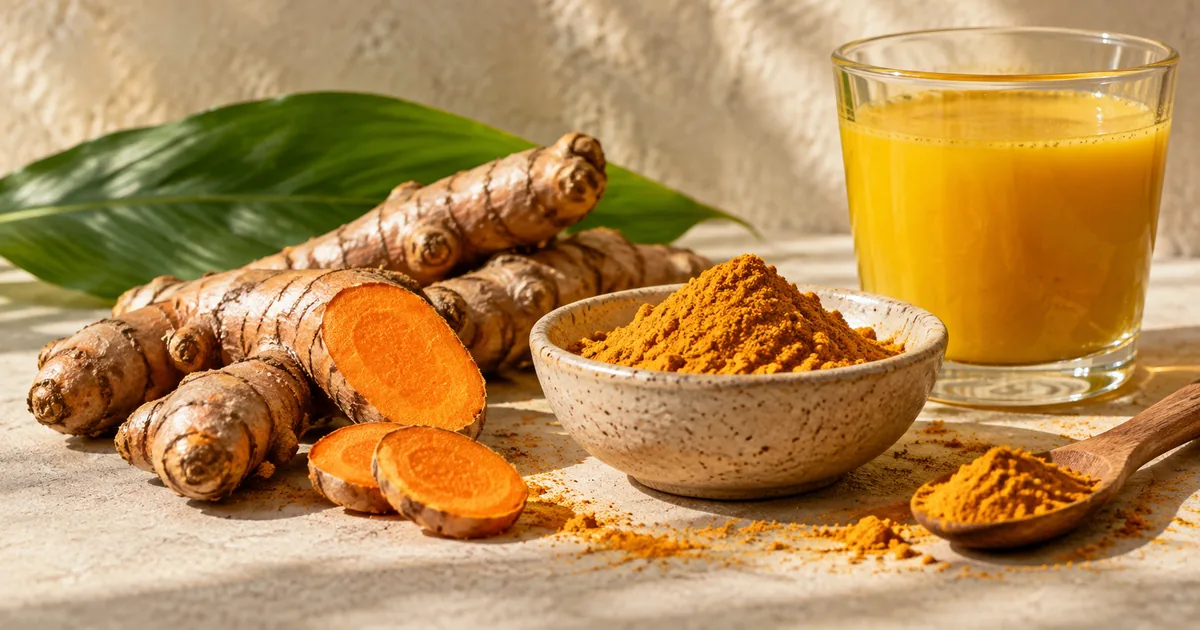
E100 is curcumin, a yellow colour extracted from turmeric. The name describes a particular food additive, not every turmeric ingredient and not a complete food recipe. A curry powder containing turmeric and a bottle containing a formulated curcumin colour are different products.
EFSA's food-colour reference lists E100 as curcumin. That is useful when translating a label, but EFSA's safety assessment is not a statement that every yellow food is vegan. Ingredient identity, dietary suitability and permitted use are separate questions.
The Codex International Numbering System distinguishes curcumin, INS 100(i), from turmeric, INS 100(ii). If an imported packet says turmeric rather than curcumin, read that wording as written. Do not replace a detailed supplier description with a guessed synonym.
Two UK decorations with very different answers
The examples below use current manufacturer ingredient pages checked on October 14, 2026. They show why an otherwise suitable colour can appear in a non-vegan product.
| Exact product and market | What its published ingredients show | What you can conclude |
|---|---|---|
| Dr. Oetker Extra Strong Yellow Food Colour Gel, 15 g, UK | Curcumin/E100 alongside syrup, sugar, water and carrageenan | No animal ingredient is named in that published recipe; this is not confirmation that the complete product is certified vegan |
| Dr. Oetker Glamour & Sparkle Sprinkles, 115 g, UK | Curcumin alongside beef gelatine, shellac and beeswax | Not vegan because of the animal ingredients, regardless of the curcumin |
Check the exact yellow colour gel and sprinkle mix pages against the packet you have. This comparison covers those named UK examples. It does not settle another shade, size, country or reformulation.
The sprinkles are the more useful shopping lesson. Someone who checks only “Is E100 vegan?” could miss the ingredients that actually decide the product's suitability. The same mistake happens with a fruit colour in gelatin sweets or a suitable pigment mixed into dairy icing.
Check pigment, formulation and finished food
Start with the pigment. Curcumin's botanical source is different from insect-derived carmine/E120. Similar colour on a cake does not mean similar production. Yellow, orange and red are visual descriptions, not ingredient sources.
Next, look at the colouring formulation. A commercial gel or powder may contain carriers, stabilisers, preservatives and other colours. A supplier's statement about pure curcumin does not automatically describe a blended decorating product. Where the mixture is not fully explained, ask whether the confirmation covers the complete formulation.
Finally, check the food it goes into. Buttercream can contain dairy butter. Sprinkles can contain animal gelatin or insect-derived glazes. A biscuit can contain egg even when the colour itself comes from a plant. Our food-colourings guide compares this same three-part check across different pigments and blends.
A plant-derived colour cannot cancel out an animal ingredient elsewhere in the recipe.
A practical check for a baking basket
- Identify each decorating product separately. The yellow tube, metallic sprinkles and ready-made icing are three recipes, even when they are sold beside one another.
- Read compound ingredients. A glaze or decoration can have its own bracketed ingredients. Do not stop at the main colour name.
- Look for recipe ingredients before factory warnings. Added milk, egg and gelatin are different from precautionary cross-contact wording.
- Use exact-product confirmation. A vegan claim covering one gel does not necessarily cover every colour or sprinkle in the range.
- Keep uncertainty specific. Ask about an unclear carrier or processing aid rather than declaring the entire pigment animal-derived.
If the packet says “may contain milk,” our guide to precautionary milk warnings explains why that wording needs separate treatment. Anyone managing an allergy should use current allergen advice; this ingredient article does not assess cross-contact safety.
How to ask a useful manufacturer question
Send the full product name, barcode, country of purchase and a clear ingredient photo. Ask: “Does this exact colour formulation contain any animal-derived ingredients, carriers or processing aids, and do you confirm it is suitable for vegans?” If your concern is the finished cake decoration, ask about that product rather than curcumin in isolation.
A reply about a raw pigment can be accurate and still leave the retail mixture unresolved. Conversely, a current vegan confirmation for the complete product may answer the practical shopping question without you needing to reconstruct every supplier step.
For a wider reference, the E-number checking hub distinguishes animal-derived additives from source-dependent ones. A longer list of codes is less useful than knowing which exact question still needs evidence.
Questions about curcumin on food labels
Does E100 mean the food contains dairy?
No. E100 identifies curcumin. Read the rest of the ingredients for milk and dairy derivatives rather than inferring them from the colour code.
Is E100 the same as gelatin?
No. Curcumin is a colour; gelatin is an animal-derived gelling ingredient. They can appear in the same decoration, but they perform different jobs. See the gelatin guide for its names and sources.
Can I use a yellow appearance as proof of turmeric?
No. Different colours and mixtures can produce similar shades. Read the ingredient name and check the exact product.
Does this article recommend curcumin supplements?
No. It concerns food-label identification and vegan suitability. It makes no supplement, treatment or health recommendation.
Verification and editorial notes
The linked official sources were reviewed on . Examples cover the named products and markets; recipes and availability can change. This article uses published manufacturer evidence, not hands-on product testing. Vegan suitability and allergy safety are separate questions.
Research, writing and the source/readability reread were AI-assisted. No independent human review is claimed. Product names belong to their respective owners; no endorsement or affiliation is implied. See our editorial method and correction contact.
Check the label on your own product
VeganCheckr scans barcodes and ingredient labels, flags hidden animal ingredients and E-numbers, and shows you the evidence. Free to download on the App Store and Google Play. Optional Premium features vary by platform.

 Scan with your iPhone camera